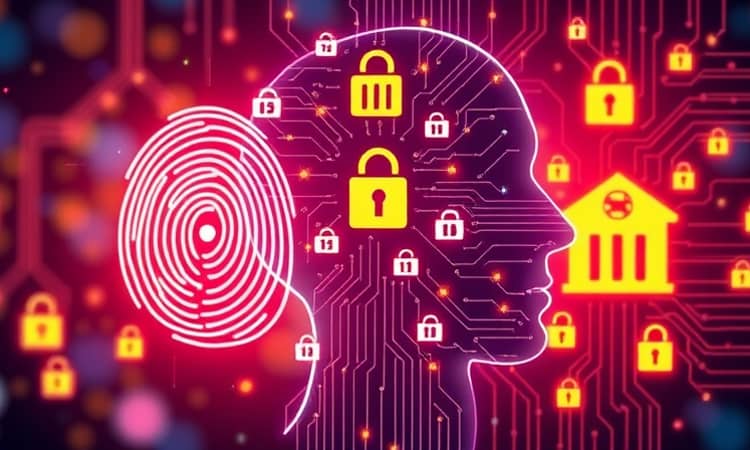
In an era where every second counts and security is paramount, the world of banking is undergoing a profound transformation. At the heart of this change lies biometric technology, turning our unique traits into keys that unlock the future of finance.
Definition and Core Concepts
Biometric banking relies on unique biological and behavioral characteristics—from fingerprints and facial patterns to voice and typing rhythms—to authenticate individuals and authorize transactions.
This approach distinguishes between verification versus identification processes. Verification confirms a claimed identity, while identification searches a database to recognize who you are.
Use Cases in Modern Banking
Financial institutions around the globe are integrating biometrics into everyday services, enhancing both convenience and security.
- Account login and management: Customers access apps using face or fingerprint scans instead of passwords.
- Cardless transactions: Fingerprint and facial recognition power secure, contactless payments at ATMs and points of sale.
- Customer onboarding and KYC: Banks streamline identity checks for new accounts, reducing paperwork and wait times.
- Fraud prevention: Behavioral biometrics monitor typing patterns and gestures for real-time anomaly detection, flagging suspicious activity instantly.
- Call center security: Voiceprint authentication stops social engineering attacks, securing phone banking interactions.
Market Growth and Adoption Trends
The biometric payment market is expanding at an unprecedented pace. By 2025, global biometric payments are expected to exceed $46 billion, with over two billion transactions processed annually.
Investment in biometric technologies reached $2.3 billion in 2025, reflecting growing confidence among banks and retailers. Asia-Pacific leads adoption with more than 60% of institutions offering biometric payments, while Europe and North America follow with rapid growth fueled by younger demographics.
The expansion of cloud-based systems has reduced processing times by 20%, while AI-driven fraud detection now achieves over 97% precision. Three-dimensional facial mapping and advanced neural networks are setting new standards for spoof resistance.
Benefits of Biometric Banking
By replacing traditional PINs and passwords with physiological traits, banks unlock multiple advantages for both institutions and customers.
- Enhanced security: Biometrics are difficult to forge and tied directly to the individual, reducing credential theft.
- Improved user convenience: No more forgotten passwords or lost cards—access and payments become effortless.
- Reduced operational costs: Streamlined onboarding and authentication cut down manual checks and fraud losses.
- Expanded financial inclusion: Underbanked populations gain easier access through simple biometric scans, overcoming literacy and documentation barriers.
- Increased consumer trust: Surveys show over 80% of users feel safer with biometric systems than with traditional credentials.
Challenges and Considerations
Despite its promise, biometric banking faces key hurdles that institutions must address to ensure ethical and effective deployment.
Privacy concerns rank highest among users. Biometric data is immutable—once compromised, it cannot be changed. Banks must implement robust encryption and clearly communicate data handling policies to maintain trust.
Bias and accuracy issues can arise if algorithms are trained on non-representative samples, leading to higher false-rejection rates among certain demographic groups. Rigorous testing and inclusive dataset practices are essential to ensure equitable performance.
Strict regulations such as GDPR and CCPA govern biometric data collection, storage, and usage. Compliance demands transparent consent processes, regular audits, and clear retention policies to protect consumer rights.
Future Outlook and Innovation
The trajectory of biometric banking points toward even more seamless and intelligent systems. We anticipate:
Widespread contactless adoption: Over half of all biometric transactions will be contactless by 2025, driven by public health and convenience factors.
AI-powered personalization: Neural networks will tailor security levels to individual risk profiles, balancing frictionless access with robust protection.
Integration with digital identities: Governments and financial bodies are exploring unified digital ID frameworks, enabling cross-border transactions and universal KYC processes.
Wearable ecosystems: Smartwatches and biometric rings will authorize payments and open secure environments, creating an invisible authentication layer throughout daily life.
Conclusion
Biometric banking transforms your identity into a powerful key—one that unlocks both unparalleled security and unprecedented convenience. As the industry navigates challenges around privacy, bias, and regulation, stakeholders must collaborate to build inclusive, transparent, and future-ready systems.
Embracing these innovations empowers individuals across demographics, offering secure financial access to the unbanked and seasoned alike. Your unique traits are more than personal markers—they are the gateway to a safer, more efficient, and more inclusive financial world.