In 2025, the global commodity landscape is undergoing a profound transformation. While gold and oil remain iconic assets, new categories are rising to prominence amid shifting demand patterns, technological breakthroughs, and policy pressures. Stakeholders—from investors to policymakers—must navigate a complex web of factors to stay ahead of market swings and emerging opportunities.
Introduction: 2025 at a Glance
The commodity market in 2025 faces high volatility driven by geopolitical unpredictability and unprecedented supply chain challenges. Prices for primary commodities have declined by 2.6% between March and August, yet precious metals and certain critical minerals buck the trend by maintaining firm support.
Forecasts point to global industrial production growth of 3.3% and overall GDP expansion of 2.6%, signaling that demand pressures persist even as softs and base metals grapple with oversupply. Against this backdrop, investors and nations are diversifying their focus beyond hydrocarbons and bullion.
Commodity Market Overview: Macro Trends and Numbers
Global prices have fluctuated, reflecting a tug-of-war between supply gluts in wheat, steel, and oil, and tightness in gold, lithium, and cobalt. Hedge funds and private credit providers are increasingly active, attracted by surging global demand for battery metals and favorable trade finance returns.
- Decline of 2.6% in primary commodity prices (Mar–Aug 2025)
- Precious metals up, most softs down
- Global industrial output growth forecast at 3.3%
Major Shifts: Beyond Gold and Oil
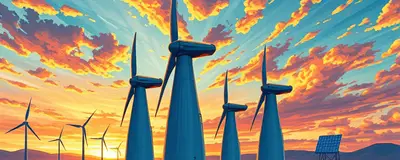
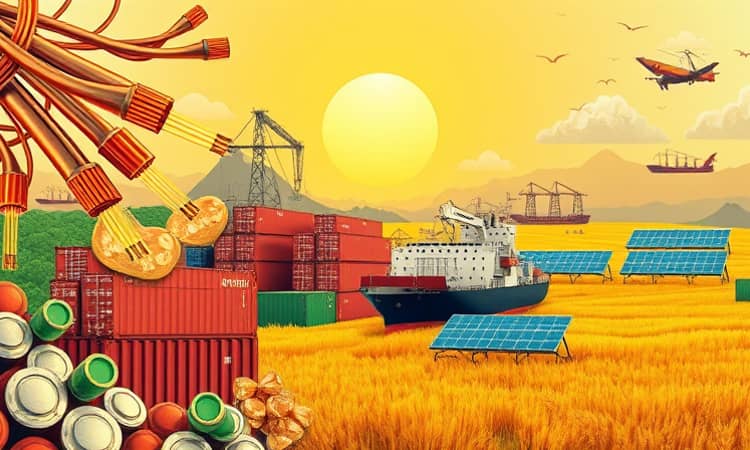
As the energy transition accelerates, commodities once relegated to niche roles are now center stage. From the mining fields of Africa to solar farms in China, new value chains are reshaping investment landscapes and geopolitics alike.
Critical Minerals: The Heart of the Battery Revolution
Electric vehicles, grid storage, and consumer electronics have driven tight balances and speculative flows into copper, lithium, nickel, and cobalt. Copper and aluminum are set to see rising investment through 2026, while lithium demand is surging as BEV sales climb. Africa’s rich deposits present both lucrative opportunities and significant environmental and political risks.
Industrial and Green Commodities
Natural gas is emerging as a versatile fuel for data centers and industrial processes, with U.S. LNG capacity expanding to meet Asian and Middle Eastern demand. Meanwhile, EU Emissions Allowances could hit €95 per ton by year-end, underpinned by transition from oil to renewable sources and tighter carbon caps. Electricity trading tied to wind and solar generation adds a weather-dependent layer to commodity markets.
Agricultural and Soft Commodities
Global soybean and maize output has reached a 17-year high, keeping prices subdued despite periodic weather shocks. Wheat stocks-to-use ratios are tightening, pointing to moderate price support. Rice prices are easing further after India lifted export restrictions, while cocoa and coffee remain vulnerable to climate-driven supply disruptions.
The biofuels sector exemplifies the growing interdependence of agriculture and energy, as demand for ethanol and biodiesel reshapes planting decisions and trade flows.
Forest Products: New Frontiers
Wood, pulp, and paper—long the unsung heroes of construction and packaging—are gaining attention for their role in low-carbon technologies. Sustainable forestry practices and certification schemes are now critical for market access and financing in developed economies.
Geopolitics, Finance, and Policy
Trade flows pivot on US-China tensions, Russia sanctions, and Middle East dynamics. Export bans on key minerals and tariffs on grains can trigger price spikes in global markets. Investors are factoring in ESG requirements and carbon policies, which now influence financing costs and project approvals.
Rapid digital transformation in trade finance—including digitized letters of credit and AI-driven risk tools—is smoothing transactions but also introducing new cybersecurity considerations.
Innovation and Digitalization
Blockchain and smart contracts are streamlining settlement in metals and softs trading. AI platforms forecast inventory needs, optimize logistics, and hedge risk, while real-time sensors improve transparency in supply chains, from mine to mill to millisecond trading.
Regional Highlights
In the Americas, the U.S. leads in LNG and grain exports, while Brazil cements its status as an agribusiness powerhouse. Asia’s onshore financing for metals and energy projects continues to expand, even as domestic demand cools. Africa stands at the crossroads of the critical minerals boom but must navigate infrastructure gaps and policy volatility.
Looking Ahead: Themes for 2026 and Beyond
Key themes to watch include the deepening integration of energy and agriculture, ESG-driven trade practices, and the ongoing shift to renewables and electrification. Technological advances in mining, logistics, and finance will continue to reshape commodity cycles.
- Blurring boundaries between commodity categories
- Rising demand for supply chain resilience
- Increasing role of AI and digital tools in trading
- Intensifying ESG scrutiny in financing
Conclusion: Beyond Gold and Oil
The next commodity super-cycle will be defined not by hydrocarbons or bullion alone, but by the intricate interplay of critical minerals, green energy, softs, and forestry products. Stakeholders who adapt to these evolving dynamics—leveraging digital innovation, managing geopolitical risk, and embracing sustainability—will thrive in the new commodity era.