Effective money management hinges on understanding exactly when cash moves in and out of your accounts. A cash flow calendar brings full transparency to your finances, transforming guesswork into a clear roadmap.
By laying out every payday, bill date, savings transfer, and debt obligation, you gain the power to prevent overdrafts, avoid late fees, and seize opportunities to save or invest. Follow this guide to build and maintain a personalized cash flow calendar that puts you in control.
Defining the Cash Flow Calendar
A cash flow calendar is a calendar-based method to track all cash inflows (income) and outflows (expenses) by date. It provides a real-time overview of your finances, showing when money arrives and when it departs.
Its primary purpose is to help individuals and businesses:
Visualize spending patterns and obligations to reduce anxiety and plan ahead.
By mapping every transaction to a specific date, you can avoid late payments, schedule savings contributions consistently, and ensure liquidity for essential expenses.
Benefits of Using a Cash Flow Calendar
No more missed bills or surprise overdrafts. The calendar’s visual reminders cut down on fees and protect your credit score.
When you align income with outflows, you begin to spot money leaks and overspending trends. That insight drives smarter decisions on discretionary spending.
Scheduling automatic transfers to savings or debt payments enforces the habit to “pay yourself first,” accelerating emergency fund growth and reducing principal balances faster.
Businesses gain an added advantage: clarity when negotiating with lenders or investors, and a concrete plan for scaling, payroll, or capital expenditures.
Step-by-Step Guide: Building Your Own Cash Flow Calendar
- List all cash inflows. Gather pay stubs, rental or investment income details, side business earnings. Only record funds actually received to avoid false optimism.
- Catalog every cash outflow. Include fixed bills (rent, utilities, loans), variable costs (groceries, fuel, entertainment), and irregular obligations (insurance premiums, annual fees).
- Assign dates and amounts. Mark each event in a monthly calendar grid: paycheck arrival, bill due dates, and scheduled savings or debt transfers.
- Calculate net cash flow. Subtract outflows from inflows daily, weekly, and monthly to spot surplus or deficit periods.
- Use color-coding or categories. Differentiate essentials, discretionary spending, debt payments, and savings with distinct hues for instant recognition.
- Review and update regularly. Reconcile actual versus projected figures weekly, adjusting for unexpected expenses or windfalls.
Tools and Templates That Simplify Tracking
You can choose from a range of formats based on preference and tech comfort:
Physical planners provide tactile satisfaction—write in your dates and amounts by hand. A wall calendar or desk pad works especially well for quick glances.
Spreadsheet templates in Excel or Google Sheets automate calculations. Pre-built columns for date, description, amount, and running balance save time. Many free downloads include conditional formatting to highlight negative balances or upcoming spikes in spending.
Budgeting apps can sync with your bank, auto-import transactions, and send reminders before due dates. Some even forecast future balances based on historical patterns.
Advanced Tips and Troubleshooting
- Implement a rolling forecast template that always displays the next 13 weeks, not just the current month, for long-term visibility.
- Run scenario analyses: simulate an income reduction or unexpected expense spike to see how your calendar adapts and where you must cut back.
- Automate as much as possible—link accounts to your chosen tool so deposits and withdrawals flow in without manual entry.
- Compare forecasts against actuals monthly, and refine your projections to boost accuracy over time.
Example Calendar Snapshot
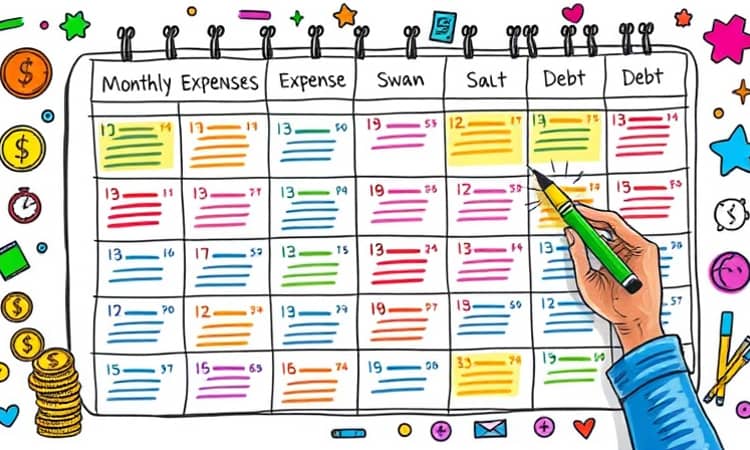
In this basic example, you can see inflows and outflows clearly laid side by side. The running balance column (not shown here) would reveal days when cash falls low, signaling a need to postpone discretionary spending.
Common Pitfalls to Avoid
Relying on estimated rather than actual income or expenses creates blind spots—always use confirmed transactions.
Forgetting irregular costs like annual insurance premiums or holiday gifts can wreck your projections. Build placeholders for these in your calendar.
Neglecting the reconciliation process means mistakes compound. Set aside time each week to verify that actual bank activity aligns with your calendar entries.
Conclusion: Empowering Your Financial Future
Mastering a cash flow calendar unlocks tangible benefits: peace of mind, fewer fees, accelerated debt payoff, and the freedom to invest in your goals. Whether you manage household finances or run a small business, this tool will act as your financial compass.
By dedicating a few minutes each week to update and review your calendar, you ensure no payment slips through the cracks—and that surplus cash is directed where it matters most. Start building yours today, and watch as clarity over your monthly money transforms into lasting financial confidence.