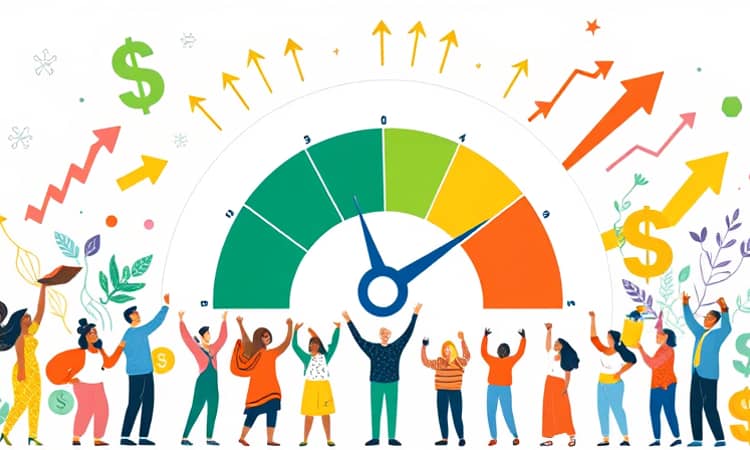
Your credit score is more than a number; it shapes your dreams, opportunities, and financial freedom. By understanding how it works, you gain the power to access better rates, secure loans, and plan for major life events. This guide will walk you through every step of demystifying this critical financial metric so you can take action with confidence and clarity.
What Is a Credit Score?
A credit score is a three-digit number—typically ranging from 300 to 850 in the United States—that predicts your likelihood of repaying debts on time. It is based on information contained in your credit report, which is compiled by the major credit bureaus: Experian, TransUnion, and Equifax.
Financial institutions, landlords, and even some insurance providers rely on your credit score to assess risk. A higher score often unlocks lower interest rates, more favorable loan terms, and increased borrowing power. Essentially, your credit score is your financial reputation in numerical form.
Types of Credit Scores and Numeric Ranges
The two most common scoring models are the FICO Score and VantageScore. Though they use similar criteria—payment history, amounts owed, length of credit history, new credit, and credit mix—their algorithms differ slightly. Both models adhere to the 300–850 scale.
- Poor (300–579): High credit risk with limited access to favorable terms.
- Fair (580–669): Moderate risk; improvement can open better opportunities.
- Good (670–739): Solid standing; most competitive rates become available.
- Very Good (740–799): Excellent offers on loans and credit products.
- Excellent (800–850): Top-tier status; you qualify for best rates and perks.
Remarkably, only about 1.2% of Americans reach a perfect 850 score. Whether you are starting fresh or aiming to boost an existing score, knowing where you stand is the first step toward progress.
Core Factors Influencing Your Credit Score
Both FICO and VantageScore consider five major categories, though their weights can vary. The FICO Score breakdown is widely accepted:
Understanding these factors helps you focus on the areas with the biggest impact. Consistent, on-time bill payment and balances management can account for nearly two-thirds of your score.
Real-World Impact of Your Credit Score
Your credit score touches almost every aspect of modern life. From securing a mortgage for your dream home to obtaining a low-interest auto loan, it dictates what offers and rates are available to you. Even renting an apartment or qualifying for certain insurance policies can hinge on your score.
Employers in some states review credit reports during hiring, interpreting strong credit as a sign of responsibility and reliability. A well-managed credit profile not only saves you money on interest but also broadens your personal and professional opportunities.
How to Check and Monitor Your Credit Score
Regular monitoring is essential for spotting errors and fraud early. You are entitled to one free report per year from each major bureau. Access these reports at AnnualCreditReport.com to review details like account history, inquiries, and public records.
Many credit card issuers and financial apps also offer free, updated scores. Remember that scores may vary slightly depending on the source, model, and reporting date.
By regularly reviewing your credit report, you can dispute inaccuracies—such as unauthorized accounts or incorrect late payments—directly with the credit bureaus to maintain the integrity of your records.
Common Pitfalls That Hurt Your Credit Score
- Late or missed payments, which remain on your report for up to seven years.
- High credit card balances, especially when utilization exceeds 30%.
- Too many hard inquiries in a short period.
- Closing older accounts, which reduces average account age and available credit.
- Derogatory marks like bankruptcies or collections.
Proven Strategies to Improve Your Credit Score
- Set up automatic payments to ensure on-time payments and positive history.
- Pay down revolving balances to maintain low credit utilization ratios.
- Limit applications for new credit to avoid unnecessary inquiries.
- Diversify your accounts with a mix of installment and revolving credit.
- Keep older accounts open to preserve long, positive credit history.
Frequently Asked Questions
What is the difference between a credit score and a credit report? Your credit report is a detailed history of your borrowing and repayment. Your credit score distills that data into a three-digit figure.
What’s the difference between a hard inquiry and a soft inquiry? A hard inquiry occurs when a lender checks your report for a new credit application and can impact your score slightly. A soft inquiry, like checking your own score, will not hurt your standing.
How often is my credit score updated? Scores can update daily or monthly, depending on when creditors report data and when scoring models recalculate your information.
How long do negative marks remain? Most negative items, such as late payments, stay on your report for up to seven years. Bankruptcies may persist for up to ten years.
What is considered a good credit score? Generally, scores of 670 and above are viewed as good to excellent. However, top-tier rates typically require scores of 740 or higher.
Maintaining a strong credit profile is a journey of consistent, informed choices. By mastering the factors that shape your score and adopting healthy financial habits, you open doors to better rates, premium credit products, and long-term stability.