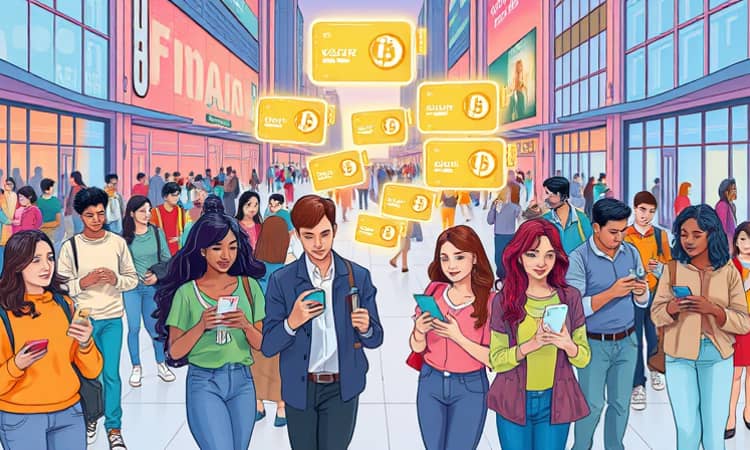
In an era where smartphones are extensions of our daily lives, digital wallets offer a revolutionary approach to managing money. These powerful tools integrate payment information, loyalty cards, and personal IDs in one secure place. With rapid adoption and constant innovation, mastering the art of using digital wallets has become a key skill for consumers and businesses alike.
Understanding Digital Wallets
Digital wallets, also known as e-wallets or mobile wallets, are software applications that securely store payment data, passwords, and even digital IDs. Through encryption and tokenization, these apps replace physical cards at a point-of-sale terminal or in online checkouts. Users can tap via NFC or scan a QR code to complete transactions quickly.
Beyond payments, many digital wallets offer features like budgeting tools, transaction histories, and rewards tracking. Whether standalone apps or integrated into broader platforms such as Apple Pay or Google Pay, they transform smartphones into comprehensive financial hubs that adapt to modern lifestyles.
Adoption, Market Growth & Trends
Global digital wallet adoption has soared, with over 5 billion users in 2025—more than 60% of the world’s population. In the United States alone, 57% of adults use these services, contributing to 32% of all POS transactions and 53% of online purchases. By 2030, digital wallets are expected to handle 65% of online and 45% of in-store payments worldwide.
These figures underscore a trajectory toward a $17 trillion transaction volume by 2029, driven by emerging markets and evolving consumer behavior.
Core Technologies Behind Digital Wallets
At the heart of this revolution lies near-field communication (NFC), which enables tap-and-pay convenience at retail terminals. In many Asian markets, QR code payments underpin peer-to-peer and merchant transactions, projected to exceed $8 trillion by 2025. Security measures such as tokenization and multi-factor authentication mask sensitive details, while biometrics—fingerprint or facial recognition—ensure device-specific access.
Cloud computing and blockchain are also shaping advanced wallet features. Distributed ledgers enhance transparency for cryptocurrency wallets, while AI-driven analytics offer personalized financial advice, reinforcing the wallet’s role as an all-in-one money manager.
Major Players Shaping the Landscape
Market leadership varies by region. In the United States, Apple Pay commands a 92% acceptance rate among merchants and is projected to process 10% of all global card transactions by 2025. PayPal holds 28% market share, followed by Google Pay at 15%. In China and much of Asia, Alipay and WeChat Pay dominate, facilitating trillions in daily transactions.
Emerging fintech startups are also gaining traction, offering niche solutions like decentralized finance integration and AI-driven spending insights. Together, these players foster competition that drives innovation across the ecosystem.
Exploring Different Wallet Types
Digital wallets come in many forms, each tailored to specific needs and preferences:
- Retail bank wallets integrated with traditional banking services and ATM networks
- B2B wallets designed for bulk transactions and seamless accounting integration
- Multicurrency wallets supporting both fiat and cryptocurrencies for global travelers
- Cryptocurrency wallets storing private keys and enabling blockchain interactions
- Prepaid card wallets offering easy top-ups for gifts and controlled spending
- Standalone apps versus integrated solutions built into smartphones or wearables
Advantages for Consumers and Businesses
Digital wallets deliver a range of benefits that transform how money moves and is managed:
- Streamlined checkout experience reduces cart abandonment and boosts customer loyalty
- Advanced encryption and biometrics ensure enhanced security for every transaction
- Contactless payments offer hygienic, low-friction interactions, crucial in a post-pandemic world
- Integrated rewards and cashback programs drive better consumer engagement
- Real-time analytics empower both companies and individuals with spending insights
- Financial inclusion for underserved populations opens doors to economic opportunity
Overcoming Challenges and Limitations
Despite widespread benefits, digital wallets face hurdles that require practical strategies:
- Device dependency means a dead battery can block access to funds
- Variable merchant acceptance still leaves some cash-only scenarios
- User concerns over data privacy demand robust trust-building measures
- Regulatory compliance across jurisdictions can slow cross-border innovation
Regional Variations and Demographic Insights
Adoption patterns vary significantly around the globe. In North America and Europe, nearly 90% of consumers have tried digital payments, with Gen Z and Millennials leading usage. In Asia, explosive growth in China and India reflects vast smartphone penetration and supportive government initiatives.
Emerging markets in Latin America, the Middle East, and Africa are witnessing rapid wallet uptake, driven by increasing internet access and the need for accessible financial services. For many unbanked individuals, these apps represent their first gateway to the formal economy.
Future Outlook and Societal Impact
Looking ahead, digital wallets are set to handle over $33 trillion in payments by 2030. Continuous innovation around AI-driven budgeting, seamless cross-border transfers, and embedded finance will deepen consumer reliance on these platforms. As fintech and traditional banking converge, wallets may evolve into full-fledged financial ecosystems.
The social implications are profound. By democratizing access to financial tools, digital wallets drive economic empowerment in underserved communities and contribute to global financial inclusion. They also reshape spending habits, nudging users toward data-driven, goal-oriented money management.
Embracing the Digital Wallet Revolution
To harness the full potential of digital wallets, start by selecting a trusted provider that balances security with usability. Take advantage of budgeting features and rewards, and adopt best practices like regular software updates and biometric locks. Businesses should optimize checkout flows for wallet payments and leverage analytics to tailor offers.
By understanding the technology, monitoring evolving trends, and embracing secure habits, individuals and organizations can navigate the modern financial landscape with confidence and foresight. The future of money is digital—let’s master it together.