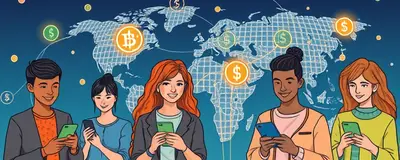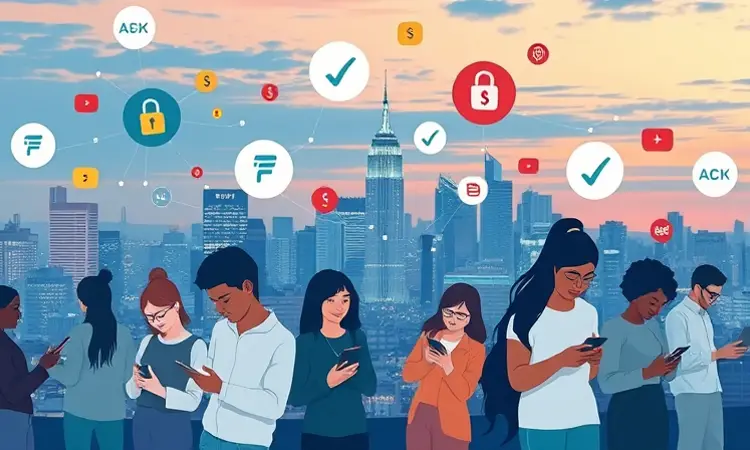
The transition from traditional banking halls to mobile screens has revolutionized credit access worldwide. With a few taps, borrowers secure funds instantly, bypassing paperwork and lengthy in-person visits. Yet this convenience demands vigilance, awareness, and a clear understanding of emerging risks.
Digital Lending: Definition and Current Landscape
Digital lending refers to the end-to-end process of credit origination, underwriting, and disbursement conducted entirely online. Borrowers apply via mobile apps or web portals, receiving instant decisions based on automated scoring.
Thanks to paperless, instant credit approvals, today’s platforms offer unparalleled speed. AI-driven underwriting and data analytics replace manual reviews, enabling lenders to assess risk within seconds.
Market Size, Growth, and Global Trends
The global digital lending market was valued at $8.89 billion in 2024 and is projected to soar to $37.56 billion by 2034 at a CAGR of 15.5%.
By 2025, an estimated 63% of personal loan originations will occur through digital channels, underscoring the shift toward on-demand borrowing. Embedded finance, worth $85.8 billion in 2025 and forecast to reach $370.9 billion by 2034, expands credit touchpoints across e-commerce, travel, and healthcare platforms.
How Digital Lending Works
Consumers begin by completing an online application form, granting permission to access credit reports and alternative data. Advanced algorithms analyze income, transaction history, and behavioral signals to generate a credit decision in real time.
Once approved, funds are disbursed electronically—often within minutes—directly to a bank account or digital wallet. Borrowers receive digitally signed documents and a clear repayment schedule, all viewable within their app.
Regulatory Compliance and Consumer Protection
Robust regulation ensures transparency, fairness, and accountability. In the U.S., lenders must comply with the Truth in Lending Act (TILA), Equal Credit Opportunity Act (ECOA), and Fair Credit Reporting Act (FCRA). Data privacy falls under the Gramm-Leach-Bliley Act (GLBA).
In India, the RBI Digital Lending Directions 2025 mandate digitally signed loan documentation delivered instantly, real-time Key Fact Statements (KFS), explicit borrower consent for data use, and tight data localization rules.
Transparency best practices include clear fee disclosures, easy-to-access privacy policies, and voluntary reporting to credit bureaus and regulators.
Security and Data Privacy
Protecting borrower information is non-negotiable. Platforms employ IT Act-compliant digital signatures to guarantee the authenticity of loan contracts.
- Implement secured with multi-layer encryption protocols across all data channels
- Use multi-factor authentication to prevent unauthorized access
- Maintain detailed audit trails for every transaction and document flow
- Enforce automatic logouts and regular password updates
Borrowers should never share passwords, monitor account activity for anomalies, and keep antivirus software up to date.
Consumer Risks and Best Practices
While digital lending offers speed and convenience, it introduces new vulnerabilities.
- Fraud and scams: phishing, identity theft, and counterfeit loan apps
- Over-borrowing due to instant approvals and easy access
- Privacy breaches when data practices are lax
Always verify lender credentials through official regulators, read every term carefully, and ensure you receive and store all digital loan documents securely.
The Role of Digital Lending in Financial Inclusion
Digital platforms are instrumental in bridging gaps for unbanked communities. In regions with limited branch networks, mobile lending empowers rural and low-income populations with essential credit.
Policy initiatives target underserved groups—women entrepreneurs, micro-business owners, and youth—offering tailored credit products and subsidized interest rates to foster inclusive growth.
Innovations and Emerging Trends
Embedded finance seamlessly integrates credit at checkout in e-commerce, ride-sharing, and healthcare apps, creating frictionless borrowing experiences. Leading players like Affirm and Klarna pioneer these models.
AI-driven underwriting, powered by cutting-edge machine learning algorithms, refines risk assessment, enabling hyper-personalized loan offers and dynamic interest rates.
Market competition intensifies as traditional banks, fintech startups, and alternative lenders vie for speed, user experience, and value-added services.
Regional Insights
North America leads in mature fintech-bank partnerships and consumer lending innovations. The Asia-Pacific region shows the fastest growth, driven by mobile-first populations and large underbanked segments.
Each jurisdiction presents unique regulatory landscapes—from stringent EU data laws to India’s robust digital lending directives—shaping how platforms operate locally.
Actionable Guidance for Safe Borrowing
- Verify lender credentials and licensing before applying
- Read all loan terms, fees, and penalty clauses thoroughly
- Store digitally signed documents in secure, backed-up folders
- Monitor account statements and credit reports regularly
By adopting these precautions, borrowers can harness the benefits of digital lending while minimizing potential pitfalls.
Conclusion
Digital lending has transformed credit access, offering on-demand financing at your fingertips. However, with great convenience comes the responsibility to stay informed, secure, and compliant.
By understanding market dynamics, adhering to regulatory safeguards, and following practical security measures, both borrowers and lenders can navigate this evolving landscape with confidence and peace of mind.