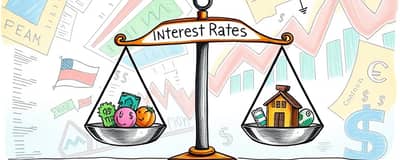
Understanding how to harness borrowed funds effectively can transform simple investments into exponential wins. Yet, this same force can also accelerate losses when applied without care. In finance, leverage is a tool of immense power. Wielded responsibly, it can unlock new horizons; misused, it can lead to ruin.
This article delves deep into the mechanics, types, benefits, risks, and best practices for leverage. Whether you are an individual trader, a corporate financier, or an everyday homeowner, mastering leverage prepares you to use debt strategically and cautiously to achieve your financial goals.
Definition of Leverage
At its core, leverage involves borrowed money to amplify returns. By adding debt to your own capital, you increase the size of your investment beyond what you could afford alone. The metaphor comes from the simple lever: a small force applied at the right spot can lift a heavy weight. In finance, debt acts as that force—magnifying both gains and losses.
In formal terms, leverage refers to the ratio of a firm’s or individual’s total liabilities to equity, revealing how much debt is used to finance assets. A higher ratio signals greater reliance on borrowed funds.
How Leverage Works
When you borrow, you incur an obligation: repay the principal plus interest. If your investment’s returns exceed your borrowing costs, the leftover profit is larger than what you’d earn without debt. Conversely, if returns fall short, losses escalate.
Here is the basic sequence:
- Obtain financing—via loans, bonds, margin accounts, or lines of credit.
- Deploy capital plus borrowed funds to buy assets.
- Monitor performance versus cost of debt.
- Repay debt; retain surplus or absorb the shortfall.
Types and Forms of Leverage
Leverage takes many shapes in different contexts:
- Financial (Corporate): Firms issue bonds or loans to expand operations without diluting equity.
- Personal: Mortgages, car loans, and brokerage margin accounts applied by individuals.
- Investment: Derivatives, futures, and margin trading amplifying stock or commodity positions.
- Leveraged Buyouts (LBOs): Acquiring companies using large debt secured by the target’s assets.
Key Leverage Ratios and Formulas
Accurate measurement is critical. Common metrics include:
- Debt-to-Equity = Total Debt ÷ Shareholder Equity.
- Equity Multiplier = Total Assets ÷ Total Equity.
- Degree of Financial Leverage (DFL): Sensitivity of earnings per share to changes in operating income.
Quantitative Examples
Let’s compare returns side by side:
However, a 20% loss transforms into a 45% decline on original capital after interest on the leveraged side.
Advantages of Leverage
When deployed wisely, leverage offers compelling benefits:
- Magnifies returns, enabling larger profits with limited equity.
- Drives rapid business or portfolio growth beyond organic means.
- Enhances capital efficiency, freeing resources for other opportunities.
- Provides potential tax deductibility of interest, improving net outcomes.
Risks and Drawbacks
Yet every upside carries a downside. Leverage can inflict severe consequences:
- Magnified losses can exceed your original investment.
- Mandatory debt servicing creates cash flow pressure.
- Margin calls or forced asset sales in downturns amplify distress.
- Excessive debt loads can trigger bankruptcy risk and damaged credit ratings.
Leverage in the Real World
In corporate finance, leveraged buyouts transformed private equity returns—but also nearly toppled firms during the 2008 crisis when real estate values collapsed. Banks impose strict collateral requirements and regulators set maximum ratios to curb systemic threats. Individual traders face margin maintenance calls if positions go against them, sometimes wiping out accounts overnight.
Using Leverage Responsibly
To harness leverage effectively, adhere to these principles:
1. Define clear objectives and exit strategies before borrowing. Understand your time horizon and risk tolerance.
2. Keep leverage at manageable levels—avoid extreme ratios that leave little cushion against volatility.
3. Monitor interest rates, market movements, and margin requirements continuously.
4. Apply robust risk management: diversify, set stop-loss orders, and maintain liquidity reserves for margin calls.
Conclusion
Leverage is a double-edged sword. It has powered corporate empires, real estate dynasties, and individual fortunes. Yet misjudgment can lead to catastrophic losses and even insolvency. By studying its mechanics, ratios, real-world applications, and risk controls, you can use leverage responsibly and tip the balance in your favor.
Whether you are funding business expansion, investing in markets, or purchasing your dream home, leverage remains one of finance’s most potent tools. Treat it with respect, prepare for all outcomes, and unlock its potential to magnify gains—while keeping potential downsides firmly in check.