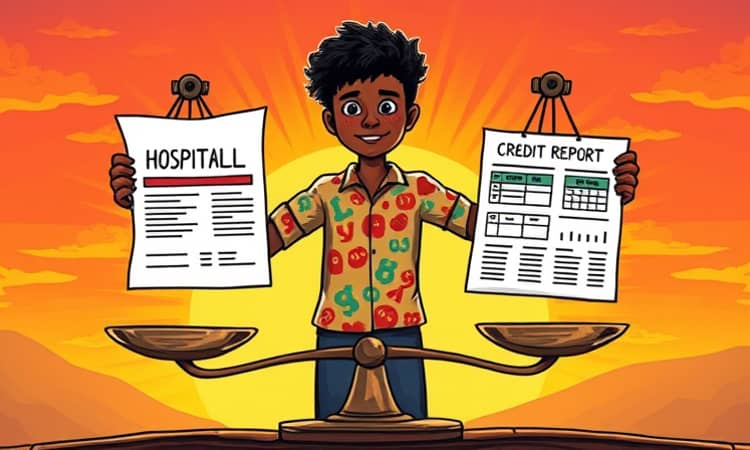
Medical debt can be a heavy burden that lingers long after treatment ends. When unpaid bills intersect with credit reporting, it can jeopardize everything from buying a home to securing a loan or even renting an apartment. Yet, armed with the right knowledge and tactics, you can navigate these challenges and safeguard your financial future.
In this comprehensive guide, we will explore definitions, key statistics, legal updates, personal stories, and practical strategies to help you manage the credit consequences of medical expenses. You’ll learn how policies are evolving and discover concrete steps to assert your rights and rebuild your credit.
Understanding Medical Debt
Medical debt refers to unpaid bills for healthcare services such as hospital stays, physician visits, dental procedures, and prescription medications. Even those with health insurance can face significant out-of-pocket costs due to high deductibles, copays, and services not covered by their plan. In many cases, these fees become outstanding medical bills sent to collections relatively quickly.
Recent data from the Consumer Financial Protection Bureau (CFPB) underscores the scale of the problem: 100 million Americans owe $220 billion in medical debt. Moreover, about 15 million people have accounts in collections totaling approximately $49 billion, and roughly 41 percent of adults report healthcare-related debt. These numbers demonstrate that medical debt affects nearly one in three adults nationwide.
How Medical Debt Impacts Your Credit Score
Medical bills only show up on your credit report if they are sent to a collection agency. Providers typically allow a period of 60 to 120 days for payment before referring an account to collections. Once a debt enters collections, credit bureaus offer a one-year grace period before reporting that balance.
While this delay gives consumers time to pay or negotiate, any unpaid medical collection over $500 may remain on your credit report for up to seven years. The presence of even one collection account can harm a credit score by up to 100 points, pushing scores from prime into subprime territory. That score drop can translate into:
- Higher interest rates on mortgages, auto loans, and credit cards.
- Increased insurance premiums in states where rates are based on credit history.
- Difficulty securing rental housing or satisfying employer background checks.
These impacts are often disproportionate. Lower-income families and minority households face steeper challenges, as medical debt compounds existing financial vulnerabilities and creates additional barriers to credit access.
Regulatory Reforms and Consumer Protections
Recognizing the unfair burden of medical debt, the three major credit bureaus—Experian, Equifax, and TransUnion— implemented reforms in 2022 and 2023 to ease reporting practices. Key changes include:
- paid medical collections removed from reports
- Extended reporting delay to a 365-day grace period
- Exclusion of medical debts under $500 from credit files
Additionally, in January 2025, the CFPB finalized rules to further curtail the negative credit effects of medical debt. These provisions aim to prevent reporting of bills that stem from insurance-related disputes and encourage affordable payment arrangements. Meanwhile, 15 states have enacted their own statutes to limit or eliminate medical debt from credit considerations, with jurisdictions like California and New York offering stronger consumer safeguards.
Despite these advances, it is important to remember that credit bureau reforms do not erase the underlying obligation. Hospitals and collection agencies can still pursue unpaid balances through legal action or wage garnishment. Advocates recommend staying informed about both federal and state-specific protections to fully leverage your rights.
Disparities and Personal Toll
Medical debt does not affect all communities equally. Uninsured individuals report a 40 percent rate of negative credit effects, compared to 32 percent among those with insurance. Black and Hispanic adults are disproportionately impacted, with surveys indicating that nearly half of Black households carrying medical debt experience credit disruptions.
Beyond financial metrics, the emotional toll can be severe. Persistent bills and collection calls breed emotional distress and financial anxiety, leading to stress-related health issues and strained relationships. Personal stories abound of families forced to delay crucial care, individuals avoiding preventative services due to cost fears, and households sacrificing essentials such as food or utilities to cover medical expenses.
Practical Strategies for Managing Medical Debt
Although medical debt can feel overwhelming, proactive management can mitigate its impact on credit and well-being. Begin with these steps:
- negotiate payment plans with providers: Call billing departments early to set affordable schedules.
- Explore charity care or financial assistance programs offered by hospitals.
- Dispute billing errors: Review each statement for coding mistakes or coverage denials.
- Use tax-advantaged accounts such as HRAs or FSAs to reduce out-of-pocket costs.
- Engage nonprofit credit counselors to help structure debt repayment.
- Monitor your credit report regularly and monitor your credit report regularly to catch inaccuracies.
Clear communication is critical. Request itemized bills, confirm insurance payments, and document all conversations in writing. When negotiating, be honest about what you can afford and inquire about sliding-scale fees or debt forgiveness options. These tactics can prevent accounts from ever reaching collections or facilitate early removal from credit reports.
Looking Ahead: Policy Debates and Future Directions
The debate over how best to treat medical debt on credit reports continues to evolve. Some experts argue that removing all medical collections would improve access to credit without increasing default risk, while others question the long-term financial consequences for lenders. Early studies show that eliminating medical debt from credit files raised average credit scores by 30 points among affected consumers, but more research is needed to assess overall market effects.
Proposed legislation such as the “One Big Beautiful Bill Act” could unintentionally increase out-of-pocket expenses, underscoring the complexity of health care financing. As federal and state policymakers negotiate protections, consumer vigilance remains essential to ensure fair implementation and guard against unintended fallout.
Conclusion
Medical debt and credit challenges can feel daunting, but you have the power to change your story. By understanding your rights, leveraging regulatory reforms, and adopting clear strategies—from negotiating payment plans to monitor your credit report regularly checks—you can protect and rebuild your financial health.
Remember, support is available. Advocacy groups, nonprofit counselors, and legal aid organizations stand ready to help. Take action today: reach out for assistance, review your bills, and chart a path toward a stronger credit future and greater peace of mind.