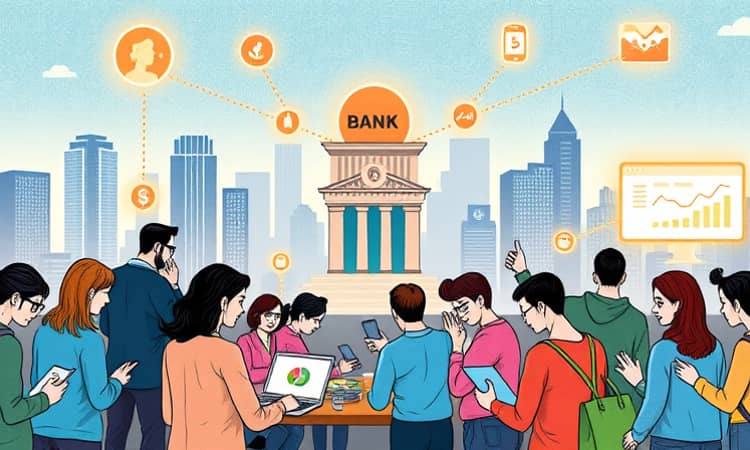
In an era where data is king, open banking emerges as a transformative force that reshapes our relationship with money. By harnessing the power of transparent, consumer-driven data exchange, this innovation goes beyond traditional banking, offering unprecedented opportunities for individuals and organizations alike.
What Is Open Banking?
At its core, open banking is a financial framework defined by secure sharing of customer financial data between banks and third-party providers. With consumer consent at the forefront, it opens traditionally closed systems, allowing data to flow freely through standardized, secure channels.
This model is designed to promote competition and innovation across the financial ecosystem, benefiting consumers, businesses, and institutions by granting them new tools and insights into financial management.
The Core Mechanisms
Central to open banking are several key components that ensure data moves safely and efficiently.
- Application Programming Interfaces (APIs): Standardized interfaces that enable banks and third parties to exchange data in real time.
- Customer Consent Management: Systems that allow individuals to authorize, monitor, and revoke access to their financial information.
- Regulatory Compliance: Frameworks like PSD2 in Europe and similar regulations globally mandate secure data access and strong consumer protections.
These mechanisms provide the foundation for a new financial landscape where users retain full control over their data, empowered to choose trusted providers that deliver tailored services.
Benefits for Consumers
Open banking shifts power back to the consumer, delivering a range of advantages:
- Comprehensive aggregated financial overview across multiple accounts, enabling clearer decision-making.
- Automated budgeting and real-time notifications that help track spending habits and avoid overdrafts.
- Personalized financial products such as low-interest loans and investment portfolios based on individual profiles.
- Faster, low-cost payments and direct transfers, eliminating intermediary fees and delays.
- Enhanced security through tokenized credentials and strong customer authentication.
By merging these features into a unified dashboard, consumers gain a holistic view of their finances, transforming how they save, invest, and plan for the future.
Advantages for Businesses
From small enterprises to large corporations, open banking fosters operational efficiency and new revenue streams:
- Automated reconciliation, invoicing, and payroll processes reduce manual workload and errors.
- Improved cash flow management with instant account-to-account settlements.
- Lower transaction costs by bypassing traditional card networks and legacy rails.
- Opportunities for fintech partnerships, driving innovative offerings that boost customer engagement.
These enhancements translate into leaner operations, higher margins, and the agility to respond swiftly to market demands.
Advantages for Banks & Financial Institutions
Established banks can leverage these advantages to modernize legacy systems and remain competitive. By integrating insights from shared data, they can craft targeted campaigns and personalized services that deepen customer trust.
Key Technologies Powering Open Banking
Several technological pillars ensure the stability and reliability of open banking:
First, open APIs form the connective tissue, standardizing how data is requested and delivered. They define data formats, security protocols, and access scopes to maintain consistency across platforms.
Second, strong customer authentication (SCA) safeguards transactions by requiring multi-factor verification, drastically reducing the risk of unauthorized access.
Third, advanced analytics and artificial intelligence transform raw data into actionable insights, predicting cash flow patterns, credit risk, and investment opportunities with precision.
Regulatory Landscape & Global Adoption
Open banking thrives under a mosaic of regulatory initiatives worldwide:
In Europe, PSD2 mandates banks to open APIs for account information and payment initiation. The U.K.’s Open Banking Initiative has become a blueprint for regulatory best practices, driving consumer adoption and fintech growth.
In the U.S., market-led approaches led by the Consumer Financial Protection Bureau encourage data portability with voluntary API standards. Elsewhere, regions like Asia-Pacific and Latin America are launching frameworks to spur innovation while protecting consumer rights.
Market Growth & Impact
The numbers paint a compelling picture of rapid expansion.
By late 2023, over 7 million users in the UK engaged with open banking services. Globally, the market is projected to exceed $43 billion by 2026, growing at a CAGR above 24%. Businesses have reported transaction cost savings of up to 30%, fueling reinvestment in service development.
Real-World Use Cases
Open banking’s versatility shines through diverse applications:
Personal finance apps aggregate multiple accounts, delivering tailored budgeting recommendations. Alternative credit scoring models tap transaction histories to extend loans to underserved customers, promoting financial inclusion.
Automated bill payments and merchant checkouts offer frictionless experiences, directly debiting accounts without card intermediaries. Small businesses rely on integrated accounting and payroll tools, saving hours of manual processing every week.
Risks & Challenges
Despite its promise, open banking faces obstacles:
Ensuring robust data protection measures is paramount as APIs expand the attack surface. Cybersecurity threats require constant vigilance and advanced encryption standards.
Consumer trust hinges on transparent policies and demonstrable security. Regulatory fragmentation complicates cross-border services, demanding harmonized frameworks to support global financial flows.
The Future of Open Banking
Looking ahead, open banking is set to evolve into open finance, encompassing insurance, investments, and non-bank data sources. Standardization efforts aim to unify protocols, making cross-border integrations seamless.
Embedded finance will weave banking services into everyday experiences—from retail checkout to ride-sharing wallets—empowering organizations to deepen customer relationships with embedded financial services into everyday experiences.
As this ecosystem matures, the promise of universal access, tailored financial guidance, and inclusive prosperity moves closer to reality, redefining what it means to manage money in the 21st century.
By understanding the mechanisms, benefits, and challenges of open banking, consumers and organizations can unlock their full financial potential—transforming data into opportunity, and innovation into empowerment.