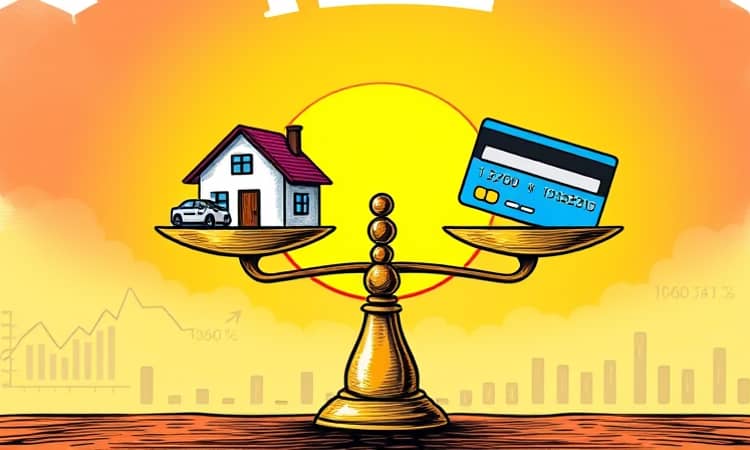
Choosing the right credit option can shape your financial future. Understanding how secured and unsecured credit differ is key to making informed decisions.
Secured vs. Unsecured: Definitions and Overview
Secured credit requires collateral—an asset such as a house, car, or cash deposit that protects the lender if you default. Common examples include secured credit cards and auto loans.
Unsecured credit demands no collateral. Instead, lenders evaluate your credit history, score, and income to determine eligibility for products like personal loans and most credit cards.
Types of Secured and Unsecured Credit
Both secured and unsecured credit products serve different financial needs. You can choose based on your credit profile and borrowing goals.
- Secured Credit Cards: Require a refundable security deposit, often equal to your credit limit (typically $200–$5,000). Ideal for those with poor or no credit.
- Secured Loans: Use real estate or vehicles as collateral. Mortgages and auto loans fall into this category, offering lower rates and longer terms.
- Unsecured Credit Cards: Approval based on creditworthiness; no deposit required. Often come with rewards, travel perks, and promotional APRs.
- Unsecured Loans: Include personal and student loans. Higher interest rates reflect greater lender risk, but no asset seizure is automatic on default.
Understanding these products helps you match the right tool to your financial needs.
Comparative Features Table
Below is a snapshot of how secured and unsecured credit options stack up.
This table highlights core distinctions at a glance, helping you weigh risk, cost, and benefits.
How Approval and Risk Assessment Works
Lenders of secured products focus on the value of your collateral. They calculate loan amounts or credit limits based on asset worth, making approval easier for many applicants with limited credit history.
Unsecured lenders perform detailed assessments of your credit report and income. This strict evaluation process can result in higher borrowing costs if your score or debt-to-income ratio is less than ideal.
Interest Rates, Fees, and Borrowing Limits
Interest rates on secured credit can be competitive for large loans—such as mortgages—because the lender’s risk is mitigated by collateral. Credit cards secured by deposits often carry higher APRs due to smaller balances and shorter tenures.
Unsecured products can offer lower interest for prime borrowers. However, if your credit score is subpar, expect higher rates and fees on personal loans or unsecured cards. Borrowing limits also tend to be lower for unsecured loans unless you maintain an excellent credit profile.
Rewards and Perks
Unsecured credit cards dominate the reward landscape. They frequently include:
- Cash back on purchases
- Travel points and airline miles
- Introductory 0% APR periods
- Purchase protection and travel insurance
Secured cards rarely offer these perks, focusing instead on credit-building potential rather than luxury incentives.
When to Use Each Option
Selecting between secured and unsecured credit depends on your current financial circumstances and future objectives.
- Credit Builders: If you have no or poor credit, a secured credit card is an ideal starting point to demonstrate reliable payment behavior.
- Major Purchases: Home or auto loans are typically secured, enabling you to borrow larger sums at lower rates.
- Established Borrowers: With strong credit, opt for unsecured cards that offer significant rewards and flexibility.
- Short-Term Needs: Unsecured personal loans can fund emergencies without risking your assets.
Risks of Default
Defaulting on secured credit can result in asset repossession by lenders. Your home could be foreclosed or your car repossessed if you fall behind on payments.
Unsecured default leads to debt collection efforts, lawsuits, or wage garnishment, but lenders cannot automatically seize property without a court order.
Building Credit through Responsible Usage
Both credit card types report payment history to bureaus. Timely payments and low utilization rates help establish a positive credit profile. Over time, secured cardholders may qualify to upgrade to unsecured products, unlocking rewards and higher limits.
Recent Trends and Market Data
Current statistics show that over 80% of consumer credit cards in the U.S. are unsecured. However, most applicants with poor credit are first offered secured cards, with typical deposits ranging from $200 to $5,000.
Mortgages and auto loans continue to dominate the secured lending market, while unsecured personal loans remain a staple for everyday borrowing needs.
Understanding trends helps you anticipate market shifts and choose products aligned with both current rates and upcoming opportunities.