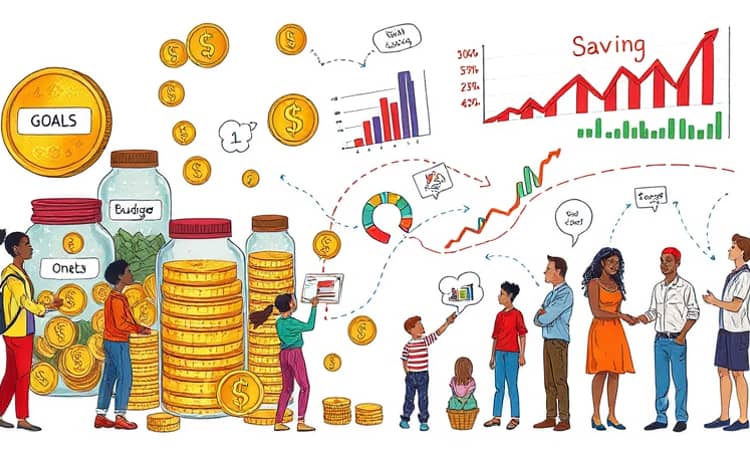
Saving money is more than a financial tactic—it’s a transformative journey that builds financial security for all and empowers people at every stage of life.
In this comprehensive guide, we’ll explore universal principles, data-backed frameworks, and tailored tactics for low-, middle-, and high-income earners, supported by real numbers and examples.
Core Universal Principles
Regardless of income, there are foundational steps everyone can apply. First, view savings as a habit, not an afterthought. When saving becomes automatic, it removes decision fatigue and keeps you on track.
Budgeting is the cornerstone: treat savings like a fixed expense. Define clear purposes—emergency funds, retirement, education, major purchases—and set time horizons. Finally, track spending with apps or spreadsheets to reveal hidden leaks and adjust as life evolves.
Standard Budgeting Frameworks
Several budgeting rules offer simple guidelines, but adjust them to reflect local living costs and personal goals.
Strategies for Low-Income Earners
When every dollar matters, focus on essentials first: housing, utilities, food, and transportation. Build an emergency buffer, even if it’s just $10 monthly. Over time, these small amounts create a safety net.
- Prioritize essentials to cover core needs before any discretionary spending.
- Allocate 70% to needs, 20% to savings and debt, 10% to wants.
- Trim recurring expenses—cut subscriptions or reduce delivery charges.
- Leverage community programs to offset basic costs and free up cash.
Example: Making lunch at home saves $2.50–$5 per meal. Bringing lunch just three days a week can translate to up to $500 in annual savings.
Strategies for Middle-Income Earners
With a larger margin, middle-income earners can balance short- and long-term goals. Applying the 50/30/20 framework to a $8,000 monthly net income yields $4,000 for essentials, $2,400 for wants, and $1,600 for savings—totaling $19,200 yearly.
Automate your transfers to savings and retirement accounts to ensure consistent progress. Watch for lifestyle creep when raises or bonuses arrive; keep wants in check so that rising income doesn’t consume your entire raise.
To tackle debt, choose a payoff method that suits you: the snowball approach focuses on small balances, while the avalanche method targets high-interest debts first. Both free up future cash flow for additional savings.
Strategies for High-Income Earners
High earners have unique opportunities and challenges. Aim to allocate 20%–30% of income into investments, retirement, and long-term goals. Use every tax-advantaged account available—401(k), IRA, HSA, or FSA—to minimize tax drag and maximize growth.
Intentional spending remains critical. Even at high income, review discretionary categories to prevent waste. Complex financial situations may require a professional: consider a financial advisor for estate planning, portfolio diversification, and legacy considerations. Philanthropic options, such as donor-advised funds, can fulfill giving goals while offering tax benefits.
Techniques That Work at Any Income Level
These tactics transcend earnings and help create lifelong saving habits:
- Automate savings transfers from checking to dedicated accounts.
- Pay yourself first—treat saving as a mandatory expense.
- Use budgeting apps to track, categorize, and visualize spending.
- Conduct monthly or quarterly reviews to adjust goals and stay motivated.
- Implement “cooling-off” periods to curb impulse buys.
Special Considerations
For those with irregular income—freelancers, commission-based workers—it’s wise to budget conservatively based on your lowest expected month. Cover must-pay expenses first and stash surplus from busier months into a buffer.
If your income drops suddenly due to job loss or reduced hours, reassess your budget immediately. Cut non-essentials, explore supplemental income, and lean on any available support programs. For debt management, prioritize high-interest balances to free cash for rebuilding your safety net.
Actionable Micro-Saving Tips
Micro-savings may seem small, but they add up quickly and reinforce the habit of saving:
- Use brown-bag lunches to save on dining costs.
- Cancel unused subscriptions and memberships.
- Opt for public transit or carpooling to reduce fuel expenses.
- Choose generic brands and comparison shop for everyday items.
- Try round-up apps that automatically save spare change.
Building and Using Emergency Funds
A robust emergency fund contains three to six months of living expenses, tucked away in a high-yield account for easy access. This fund guards against unexpected job loss, medical bills, or urgent home repairs.
Psychological and Behavioral Aspects
Financial success is as much about mindset as numbers. Automating savings removes willpower hurdles and makes progress effortless. Turning milestones into small celebrations or rewards gamifies the process, reinforcing good habits.
Remember, marketers design for impulse. Be aware of consumer psychology by using shopping lists, unfollowing retail promotions, and implementing envelope strategies to curb overspending.
Saving is a lifelong skill that pays dividends in security, opportunity, and peace of mind. By applying these strategies—tailored to your income level, backed by real-world examples, and supported by behavioral insights—you can grow a solid financial foundation and achieve your most important goals.
Start today: automate a small transfer, set a clear goal, and track your progress. Over time, these actions will compound into a legacy of stability, freedom, and confidence in your financial future.