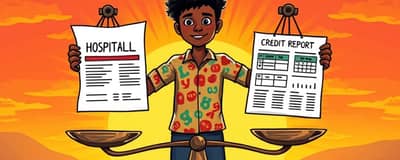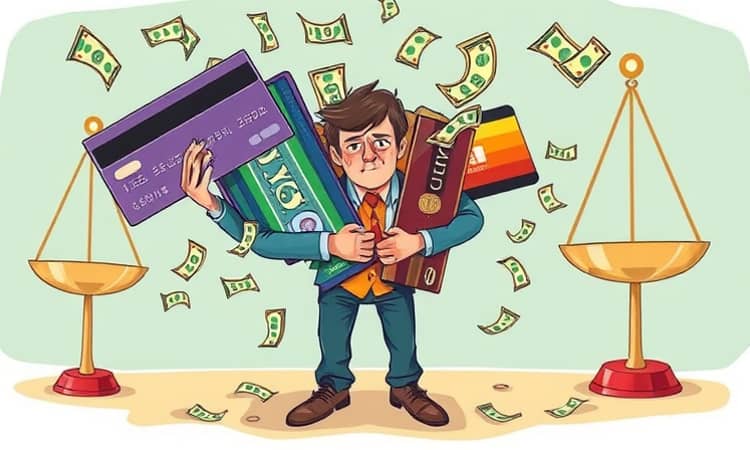
Bad credit is more than a number on your report. It quietly seeps into every corner of your financial life, imposing hidden fees and penalties that multiply over time.
By exposing unseen charges and systemic barriers, this article uncovers the true cost of a low credit score and offers practical steps for improvement.
Understanding Bad Credit and Its Impact
In 2025, a FICO score below 670 is typically classified as “bad credit,” with scores under 620 deemed subprime. Millions of Americans fall into this category, facing systemic financial challenges every day.
Beyond loan applications, a low credit score influences insurance, utility deposits, and even employment opportunities in some sectors. The result is an uphill battle where every financial decision carries an extra cost.
Direct Financial Consequences
The most obvious burden of bad credit comes from higher interest rates and fees on loans and credit cards. Over a lifetime, these expenses can eclipse the principal you originally borrowed.
These figures translate to an average household paying $1,186 more in interest annually. Over time, that amount could pay for a family vacation or a major home repair.
Insurance Premiums and Hidden Charges
Few realize that insurance companies use credit-based pricing to set rates. With a poor credit score, auto insurance premiums can rise by $514 each year.
Home insurance is similarly affected. Even in low-risk areas, homeowners with bad credit often pay more than those in high-risk zones but with excellent credit. Across all policies, these charges accumulate to hundreds or thousands in additional costs annually.
The Domino Effect: Secondary Hidden Costs
Bad credit triggers a chain reaction of less-obvious expenses that erode financial stability.
- Higher security deposits for utilities, cell phones, and rentals
- Increased risk of identity fraud, averaging $76 out-of-pocket yearly
- Denied access to low-APR credit cards with better perks
- Lost retirement or investment opportunities due to diverted funds
- Wasted time and elevated stress managing fees and credit repairs
These hidden charges contributed to an estimated $196 billion in avoidable expenses nationwide in 2024, according to the Hidden Costs of Bill Pay Report.
Socioeconomic and Health Impacts
Beyond the wallet, poor credit affects mental health and physical well-being. Persistent financial strain leads to anxiety, disrupted sleep, and sometimes foregone medical care. Middle- and low-income households feel this burden most acutely, often relying on revolving credit to cover essentials.
And the cycle reinforces itself: late payments weigh heavily on credit scores, while high utilization drags them even lower, perpetuating the spiral of costs.
Breaking the Cycle: Improving Your Credit
Raising your credit score by even 35 points can save the average household $1,186 each year in interest alone. Better credit unlocks lower rates on loans, credit cards, and insurance, and often eliminates hefty security deposits.
Key factors influencing your score include payment history (35%), credit utilization, length of credit history, credit mix, and recent inquiries. By focusing on these areas, you can regain control of your finances.
Practical Steps to Avoid Hidden Expenses
Successful credit repair requires consistent effort and good habits. Below are essential tactics to guard against unseen charges.
- Pay bills on time: automate payments or set reminders to avoid late fees
- Maintain credit utilization below 30% of your limits
- Monitor your credit report regularly for errors and fraud
- Use credit-building tools, such as secured cards or credit-builder loans
- Seek professional counseling through non-profit agencies or financial coaches
These steps not only reduce immediate fees but also lay the groundwork for long-term financial health and opportunities.
Conclusion
Bad credit silently drains resources, from elevated interest charges to unexpected insurance premiums and beyond. Recognizing these hidden expenses is the first step toward financial empowerment.
By adopting responsible credit habits and pursuing targeted improvement strategies, you can break free from costly cycles and secure a more stable future. The journey may be gradual, but the rewards—in savings, opportunities, and peace of mind—are well worth the effort.