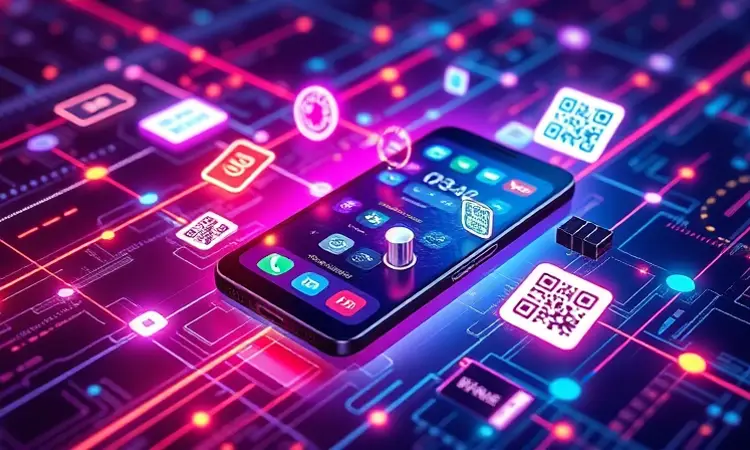
In an era where time is our most precious asset, payments must keep pace with our demands. Today’s consumers and businesses expect instantaneous purchasing with zero delays. This article explores how technology and innovation are converging to create a truly frictionless digital payment ecosystem.
From the evolution of one-click checkouts to the rise of biometric authentication, we will examine the technologies, benefits, challenges, and future directions that define the frictionless future.
Defining Frictionless Payments and Why They Matter
Frictionless payments refer to digital methods that enable fast, secure, and convenient transactions with minimal user input. Instead of manually entering card details or navigating multiple pages, users experience a virtually invisible checkout process.
Key characteristics include auto-fill functionality, biometric authentication, and integrated wallets that remove traditional barriers. By reducing interruptions, merchants witness lower abandonment rates and higher customer satisfaction.
Core Technologies Powering the Seamless Experience
Several innovations work together to deliver nearly instantaneous transaction completion:
- Smart routing powered by AI and ML to select the most efficient payment paths and reduce errors.
- Tokenization and end-to-end encryption to secure sensitive data and lower fraud risk.
- Real-time fraud detection systems that monitor and block suspicious activities instantly.
- Digital wallets with biometric authentication for quick, in-app or in-store checkouts.
- Contactless NFC cards and QR codes enabling tap-and-go or scan-to-pay simplicity.
- Scheduled and recurring billing automation to eliminate manual entry for subscriptions and invoices.
Combined, these technologies underpin a payment experience that feels almost magical, where customers barely notice the mechanics behind their purchases.
Benefits for Businesses and Customers
Frictionless payments yield transformative advantages on both sides of the counter. For businesses, embracing streamlined checkouts translates into measurable revenue and efficiency gains:
- Higher conversion rates due to reduced cart abandonment.
- Lower processing costs through optimized transaction routing.
- Improved liquidity with real-time settlements instead of multi-day holds.
- Operational efficiency via automated reconciliation and CRM integration.
- Actionable insights from digital purchase behavior analytics.
Customers also reap significant rewards, enjoying convenience and control over their payments:
- Ultra-fast transactions in seconds with minimal input.
- Peace of mind from advanced security measures like biometrics.
- Flexible payment options—digital wallets, cards, QR codes, and links.
- Instant confirmations and real-time notifications.
- Reduced reliance on cash or paper, simplifying daily life.
Trends, Statistics, and Market Dynamics
Consumer expectations are shifting rapidly. Studies show up to 70% of online shopping carts are abandoned, largely due to lengthy or confusing checkouts. In contrast, merchants offering one-click or tap-to-pay options see conversion boosts of over 20%.
The global digital payments market is projected to exceed $15 trillion by 2027, fueled by e-commerce growth and smartphone penetration. The COVID-19 pandemic accelerated this shift, normalizing contactless and mobile transactions worldwide.
These numbers underscore the urgent need for businesses to adopt frictionless solutions or risk falling behind consumer expectations.
Overcoming Challenges and Ensuring Inclusion
Despite the promise, several obstacles remain on the path to universal frictionless payments. Security and compliance must keep pace with rising transaction volumes. Robust fraud prevention, privacy safeguards, and adherence to regulations like GDPR are non-negotiable.
Interoperability across borders and systems presents another hurdle. Payment platforms must integrate seamlessly with diverse banking infrastructures and consumer preferences. Meanwhile, the digital divide—limited access to devices or connectivity—threatens to exclude vulnerable populations.
Addressing these challenges demands collaboration among financial institutions, technology providers, and policymakers to craft solutions that are both advanced and inclusive.
The Road Ahead: Emerging Directions
The future of payments promises to blur the line between transaction and experience. Embedded payments will become ubiquitous, powering everything from ride-hailing to smart appliances that reorder essentials automatically.
AI and machine learning will refine payment routing, personalize offers in real time, and detect anomalies with increasing accuracy. Open banking and APIs will weave financial services into ecosystems beyond retail—think instant financing at checkout or insurance bundled with purchases.
As stablecoins, CBDCs, and blockchain mature, we may witness even more direct, decentralized transactions that bypass traditional intermediaries, further reducing latency and cost.
Conclusion
The frictionless future of digital transactions is not a distant vision—it is unfolding today. By embracing cutting-edge payment technologies and strategies, businesses can foster deeper customer loyalty, optimize operations, and unlock new revenue streams.
For consumers, the promise of secure, effortless purchasing transforms everyday interactions into seamless experiences. As we navigate the challenges ahead, collaboration and innovation will ensure that the benefits of frictionless payments are accessible to all, ushering in an era of unparalleled convenience and efficiency.