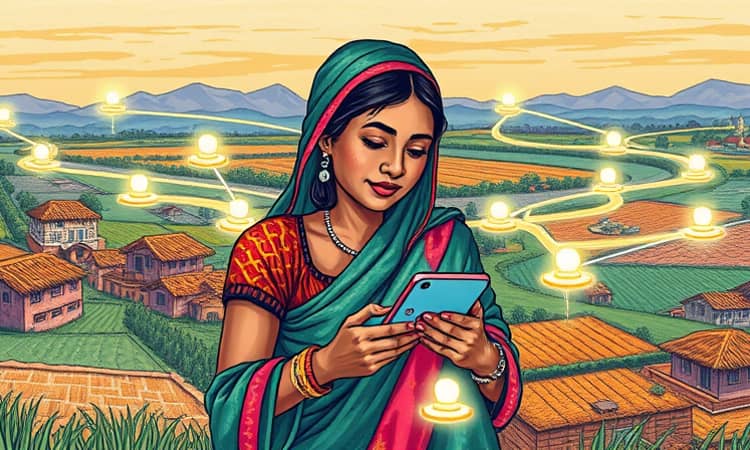
Every day across continents, millions wake up without a bank account or internet connection. Without these tools, families remain on society s margins, facing barriers to health, education, and livelihood. Yet, amidst these challenges, powerful transformations emerge as communities leapfrog traditional limits. This article charts the journey of the unbanked toward becoming digitally empowered, illustrating how meaningful access to technology breeds opportunity and hope.
Why Digital Inclusion Matters
Digital inclusion extends far beyond connecting devices to networks. It encompasses ensuring that people can use create and lead in the digital world. From remote villages to urban outskirts, access is the first step. But equally vital are the skills to navigate online services and the affordability of devices and data.
When communities gain internet connectivity and digital financial services, they unlock resources that reshape daily life. Parents can schedule telemedicine consultations. Students access online courses. Small businesses market products beyond local markets. In this light, connectivity becomes a foundational right and an engine for personal dignity and collective growth.
The Size of the Problem
Globally, 2.6 billion people remain offline, unable to tap into critical digital services. At the same time, 1.6 billion adults have no active financial account, effectively sidelined from modern economic systems.
These numbers mask deeper divides. In least developed countries, 65 percent of households lack internet access. Women are 19 percent less likely than men to own mobile devices. Rural, elderly, and disabled populations face steep challenges that compound with geographic isolation and social barriers.
Digital Solutions Transforming Lives
Across Africa, Asia, and Latin America, mobile money services and fintech innovations are bridging the gap between the unbanked and digital economies. M-Pesa in Kenya, UPI in India, and bKash in Bangladesh illustrate how simple mobile applications can provide secure savings, instant transfers, and microcredit.
Programs powered by the EDISON Alliance have already improved 784 million lives in 127 countries. Through community agents, local entrepreneurs gain income while customers receive face to face assistance. This model ensures that technology reaches the most remote areas with human support woven into digital frameworks.
- Leapfrogging traditional banking through agent networks
- Empowering microentrepreneurs with digital credit tools
- Delivering government benefits directly via mobile wallets
Persistent Barriers and the Digital Divide
Despite progress, obstacles remain. Affordable connectivity in low-income nations can cost 9 percent of monthly income. Many account holders remain inactive due to distrust, limited digital skills, or inaccessible interfaces.
- Affordability gaps in devices and data plans
- Lack of digital literacy and training resources
- Gender and rural divides that exclude vulnerable groups
- Privacy and safety concerns for new users
Without targeted policies and inclusive design, these barriers risk widening the divide, leaving the most vulnerable further behind just as others surge ahead.
Innovations and Partnerships
Addressing complex challenges requires multisectoral collaborations. Governments, civil society, tech firms, and financial institutions must align strategies and share data. Public subsidies can lower device costs, while community centers offer digital literacy workshops and peer mentorship.
Inclusive design is essential. Platforms must support local languages, offer accessibility features, and involve disabled and elderly users in testing. By prioritizing user trust and experience, providers build sustainable adoption and long-term engagement.
The Path Ahead
As the EDISON Alliance strives to improve one billion lives by 2025, the path forward demands both ambition and empathy. Success hinges on scaling proven models, investing in rural infrastructure, and championing policies that protect digital rights and privacy.
We stand at a crossroads. Through targeted action and relentless innovation, the journey from the unbanked to the digitally enabled can transform poverty into possibility, isolation into connection, and aspiration into achievement. The world s next chapter of inclusion awaits.