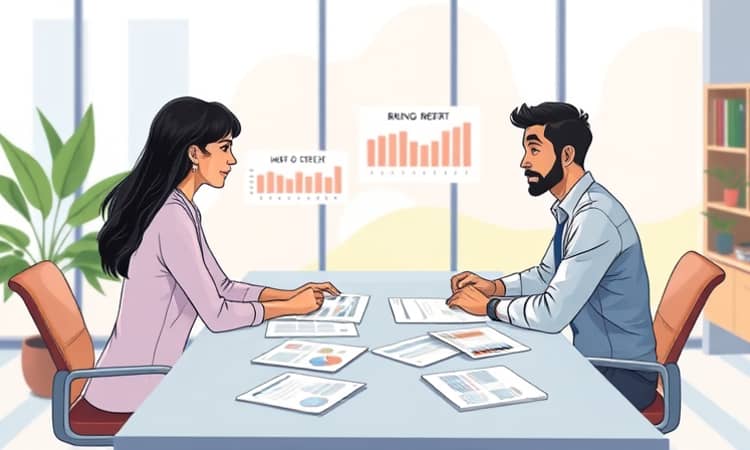
In today’s competitive job market, a candidate’s credit history can carry unexpected weight. Many applicants feel blindsided when financial data informs hiring decisions, yet this background screening tool persists, especially in roles that involve access to funds or confidential information.
Understanding how and why employers examine credit reports can help job seekers prepare, and guide organizations toward more equitable hiring practices. This article explores the prevalence, legal framework, and real-world impacts of employment credit checks, along with practical steps for both sides of the hiring table.
Understanding Credit Checks in Hiring
Roughly half of U.S. employers incorporate some form of credit inquiry into their hiring process. The Society for Human Resource Management (SHRM) estimates that about 47% of employers conduct credit checks on certain positions, with 16% requiring them for all applicants. These checks are most common in finance, government, and executive roles, where fiduciary duties demand heightened scrutiny.
While employers can’t view your exact credit score, they do receive a modified report showing payment history, account balances, missed payments, bankruptcies, and foreclosures. Identifying details such as your address and Social Security number may also appear, though sensitive personal data like date of birth is excluded. Employment history is not included unless self-reported on credit applications.
Why Employers Check Credit Reports
Employers cite several reasons for this practice, aiming to mitigate risk and validate integrity. A credit report can reveal patterns of financial mismanagement that might signal vulnerability to fraud or theft. In regulated industries, credit checks help companies comply with legal requirements and protect shareholder interests.
- financial responsibility and integrity in roles handling money
- Identity verification to prevent impersonation or fraud
- Regulatory compliance in banking, defense, and healthcare sectors
- Evaluation of an applicant’s overall reliability and risk profile
Legal Protections and Regulations
The Fair Credit Reporting Act (FCRA) governs how employers must use credit reports. They need your written consent and thorough disclosures before requesting information. If adverse action follows—such as a job denial—the employer must provide you with a summary of your rights and the source of the report.
State and local laws also shape these practices. At least 10 states restrict employer credit checks to positions with clear financial responsibilities or management duties. California, Hawaii, Washington, Oregon, Illinois, Maryland, Connecticut and others enforce varying limits, helping protect low-income and minority applicants from undue barriers.
Impact on Job Seekers and Communities
For many applicants, a credit check feels like a second hurdle after qualifications and experience. Individuals with scores below 620 often face disproportionate obstacles. Research shows that one in seven job seekers with poor credit has been explicitly told their credit history barred them from a position.
Worse still, poor credit can result from layoffs or medical emergencies, creating a “Catch-22”: unemployment damages credit, and damaged credit hinders re-employment. This cycle contributes to a disparate impact on marginalized communities, as low-income groups and people of color statistically carry more negative credit items.
Preparing for a Credit Check
Proactive measures can improve outcomes. Start by ordering copies of your credit reports from major bureaus. Review every entry for accuracy, and monitor and dispute errors proactively. Paying down revolving balances and setting up automatic payments can also demonstrate recent positive behavior.
- Obtain your credit reports at least twice a year
- Identify and correct inaccuracies through formal dispute processes
- Negotiate payment plans for outstanding debts
- Keep written records of disputes and correspondence
Best Practices for Employers
While credit checks can reveal valuable information, indiscriminate use risks legal challenges and reputational harm. Employers should restrict credit inquiries to roles where financial oversight is core to job duties and clearly outline which credit-report elements trigger concern.
- Define relevance of credit history to specific job functions
- Establish objective criteria for adverse decisions
- Offer candidates an opportunity to explain mitigating circumstances
- Ensure fair, transparent decision-making process under FCRA guidelines
Looking Ahead: Trends and Reform
Momentum continues toward tightening limits on employment credit checks. Proposed federal legislation and expanded state bans aim to curb overuse and encourage alternative vetting methods such as education verification or structured interviews. Early evidence suggests bans boost employment in low-credit communities by 3.7–7.5%, though some unintended shifts toward stricter degree requirements have been observed.
Ultimately, balancing fraud prevention with social equity will require dialogue and data. Companies that invest in inclusive screening and offer financial wellness support can attract a broader talent pool while strengthening workplace resilience.
By understanding the full dimension of employment credit checks—and adopting best practices—both job seekers and employers can navigate this complex landscape with confidence and fairness.